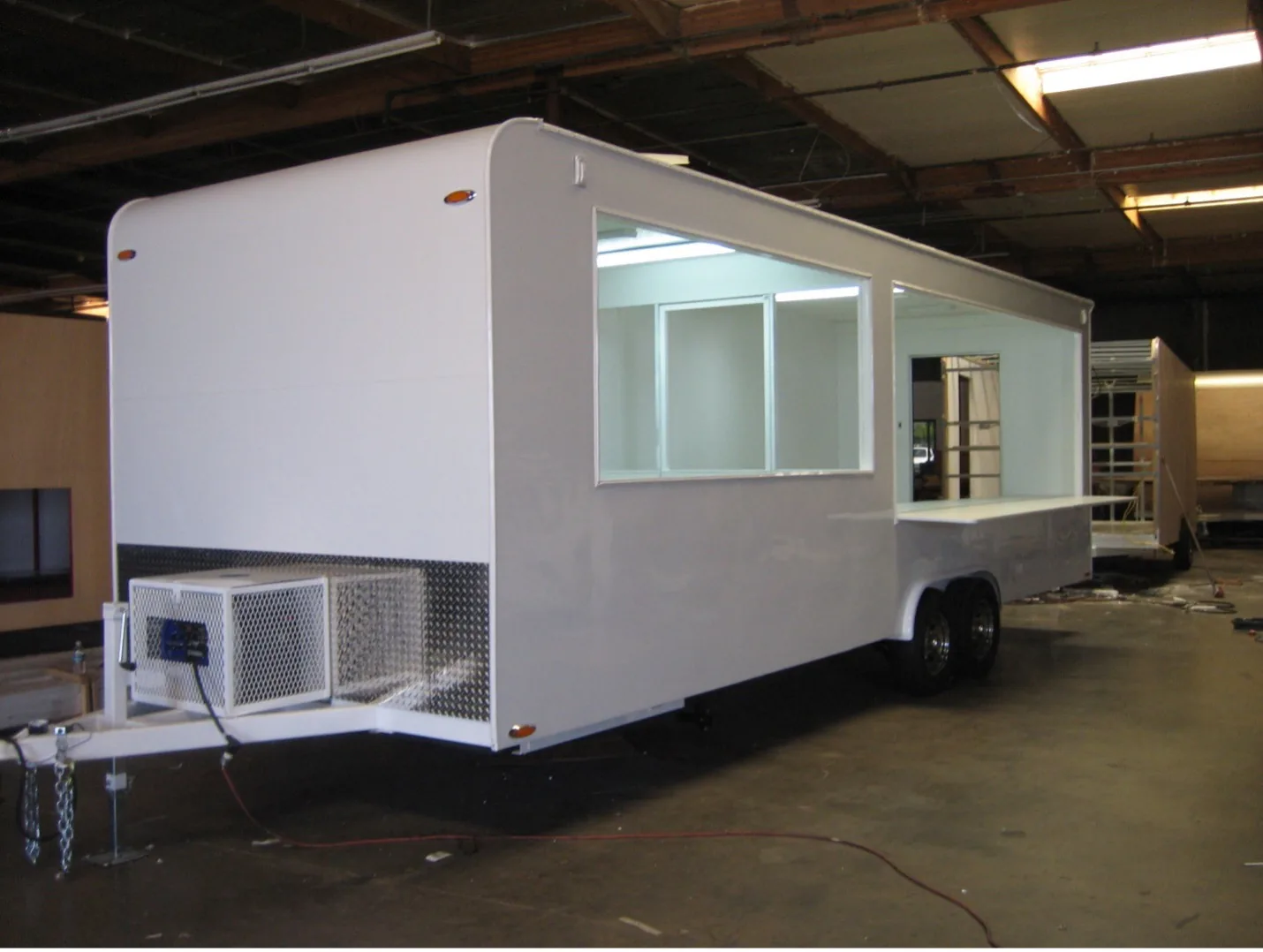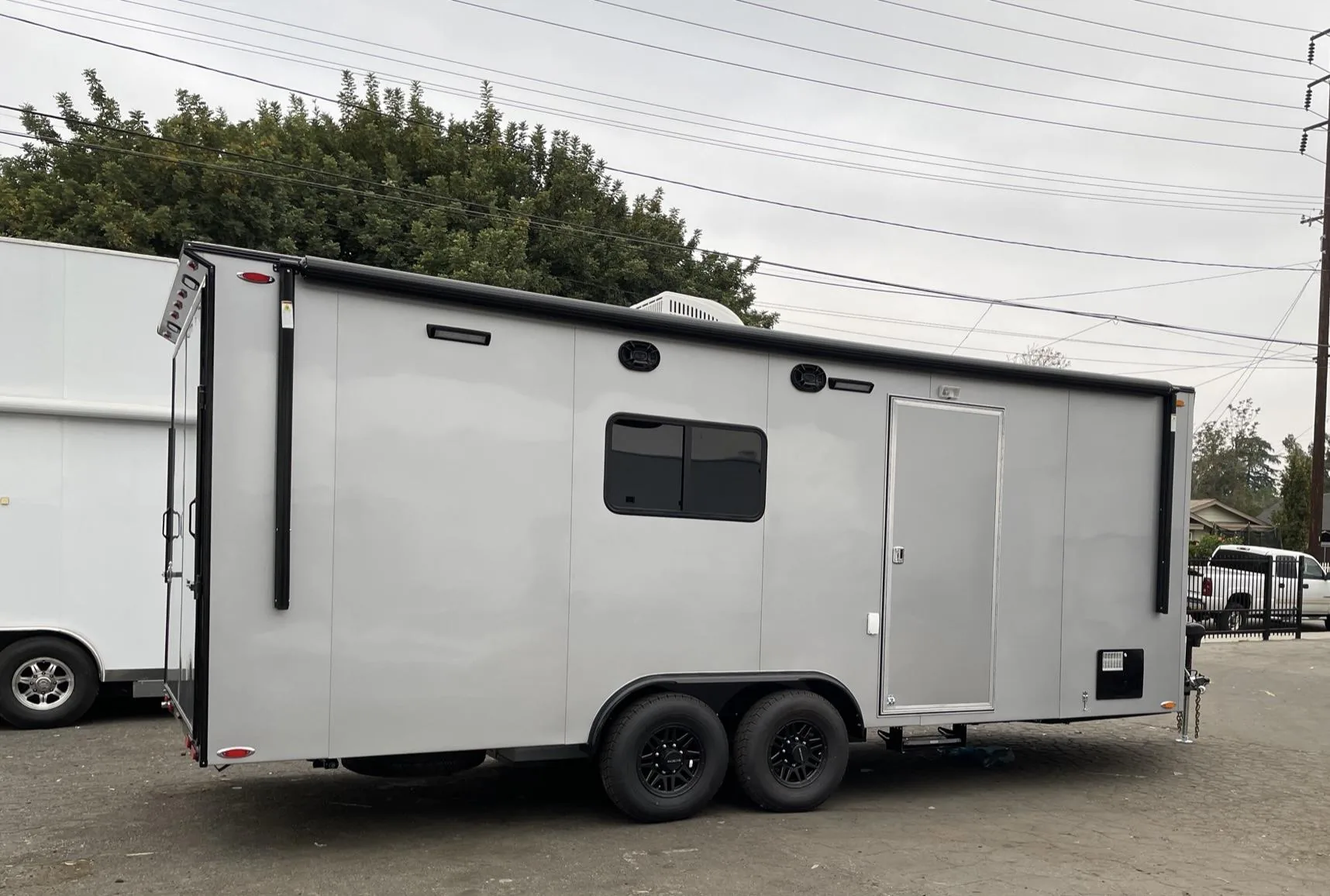
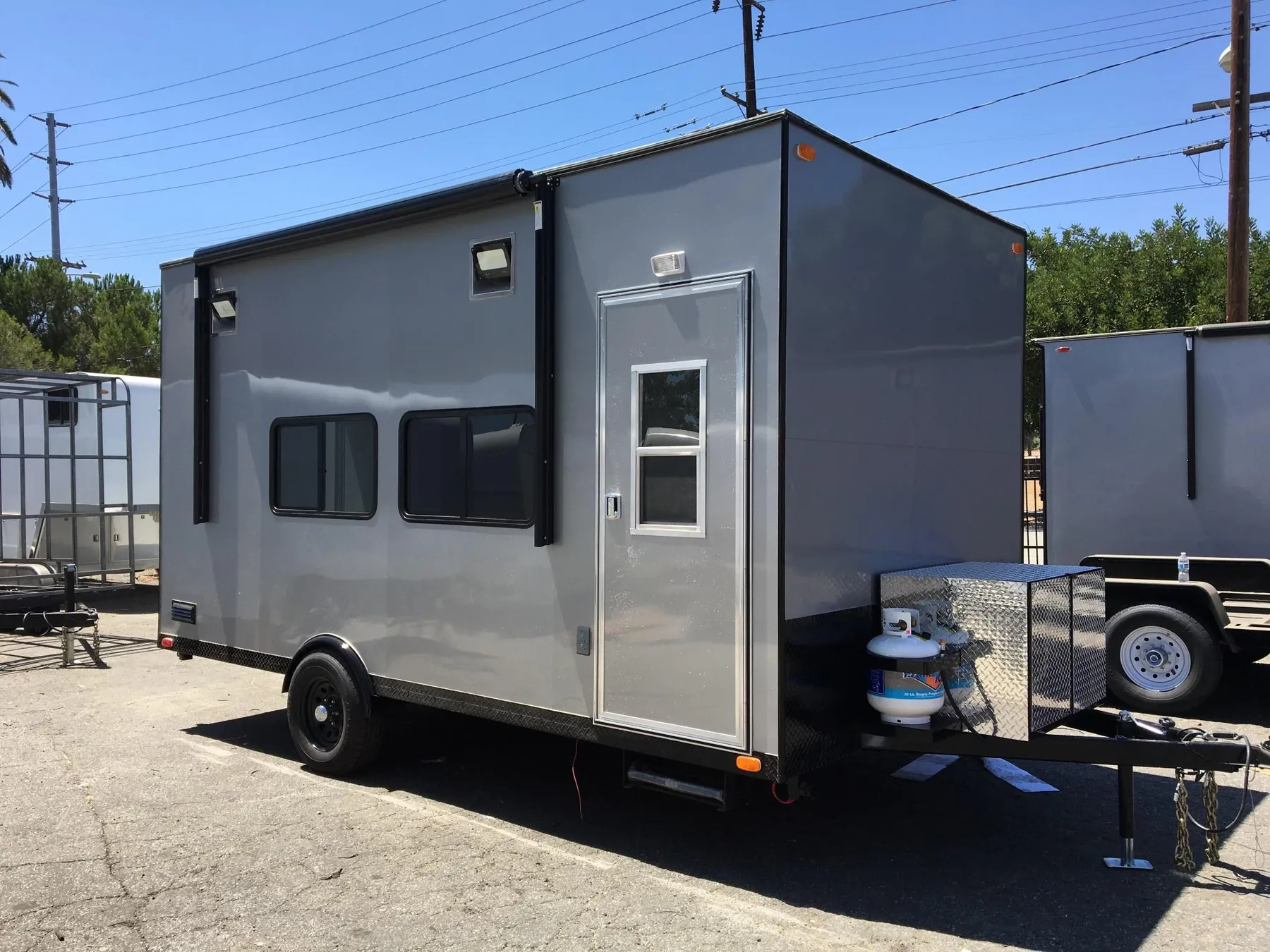
Custom refrigerated trailers
Plan insulation, cooling, power, loading and interior finishes around the cargo and operating range.
The temperature requirement is only the first specification.
Universal's current materials support custom refrigerated and climate-controlled trailer applications. A useful configuration accounts for target temperature, ambient conditions, door-opening frequency, cargo mass, loading method, sanitation, monitoring and access to shore or onboard power.
Size the system for the real duty cycle.
Holding already-chilled product is different from pulling warm cargo down to temperature. Ambient heat, door openings, occupancy and equipment all affect the cooling load.
- Target operating range
- Cargo starting temperature and mass
- Door size and opening frequency
- Insulation and interior finish
- Shore and generator power strategy
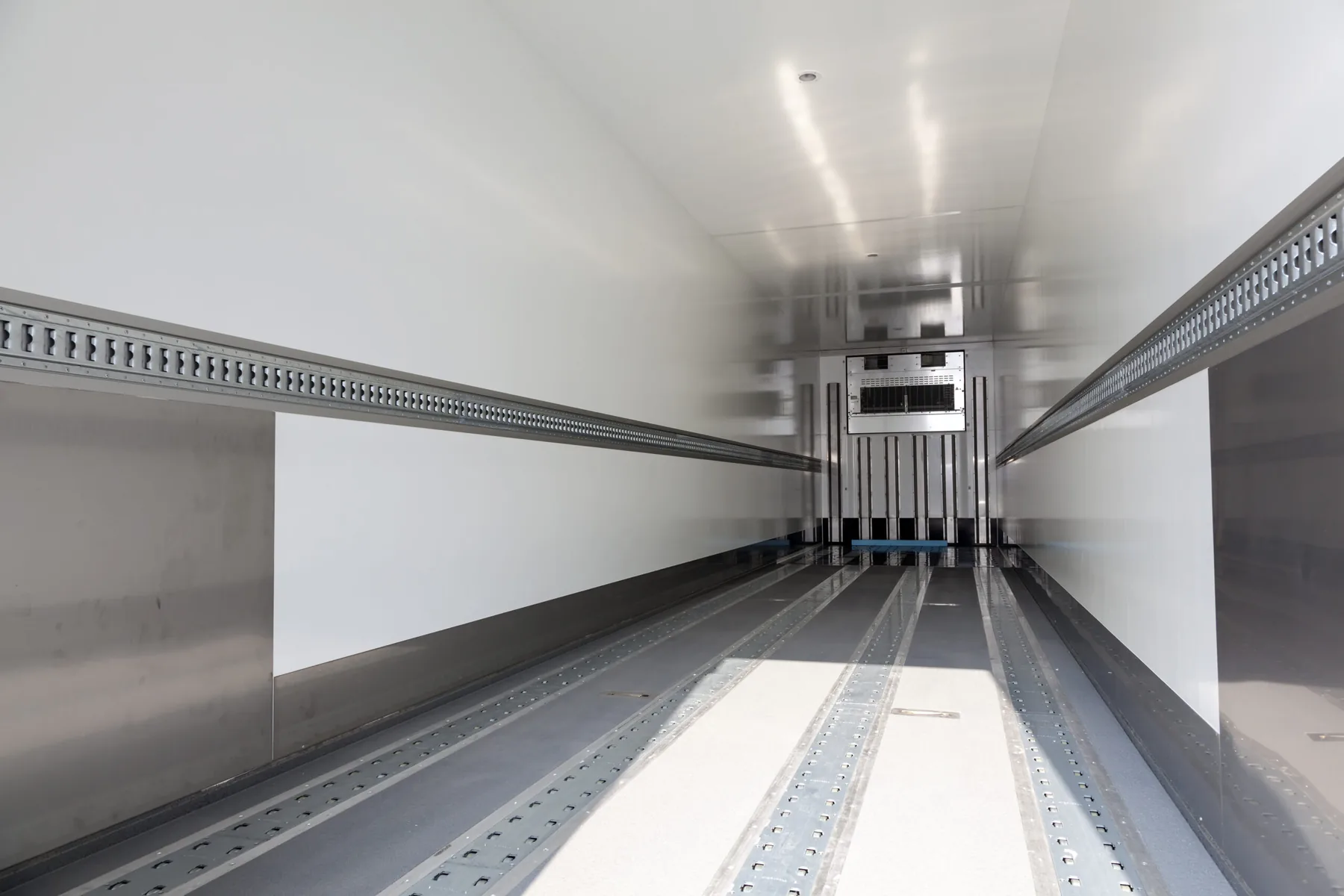
Loading, airflow and cleaning need clear space.
Cargo should not block necessary airflow, and surfaces should match the cleaning plan. Racks, tie-downs, drains and monitoring equipment can be considered with the customer's operating requirements.
What buyers ask before the build.
What information is needed for a refrigerated trailer?
Provide the target temperature range, product type and mass, starting temperature, ambient conditions, loading frequency, door size, power availability and cleaning requirements.
Can a refrigerated trailer use onboard power?
Generator or other power strategies can be considered, but exact capacity and runtime depend on the selected refrigeration equipment and operating conditions.