Custom enclosed trailers
Configure the structure, access, running gear and interior around the cargo, equipment or workspace you need to move.
The platform is only the beginning.
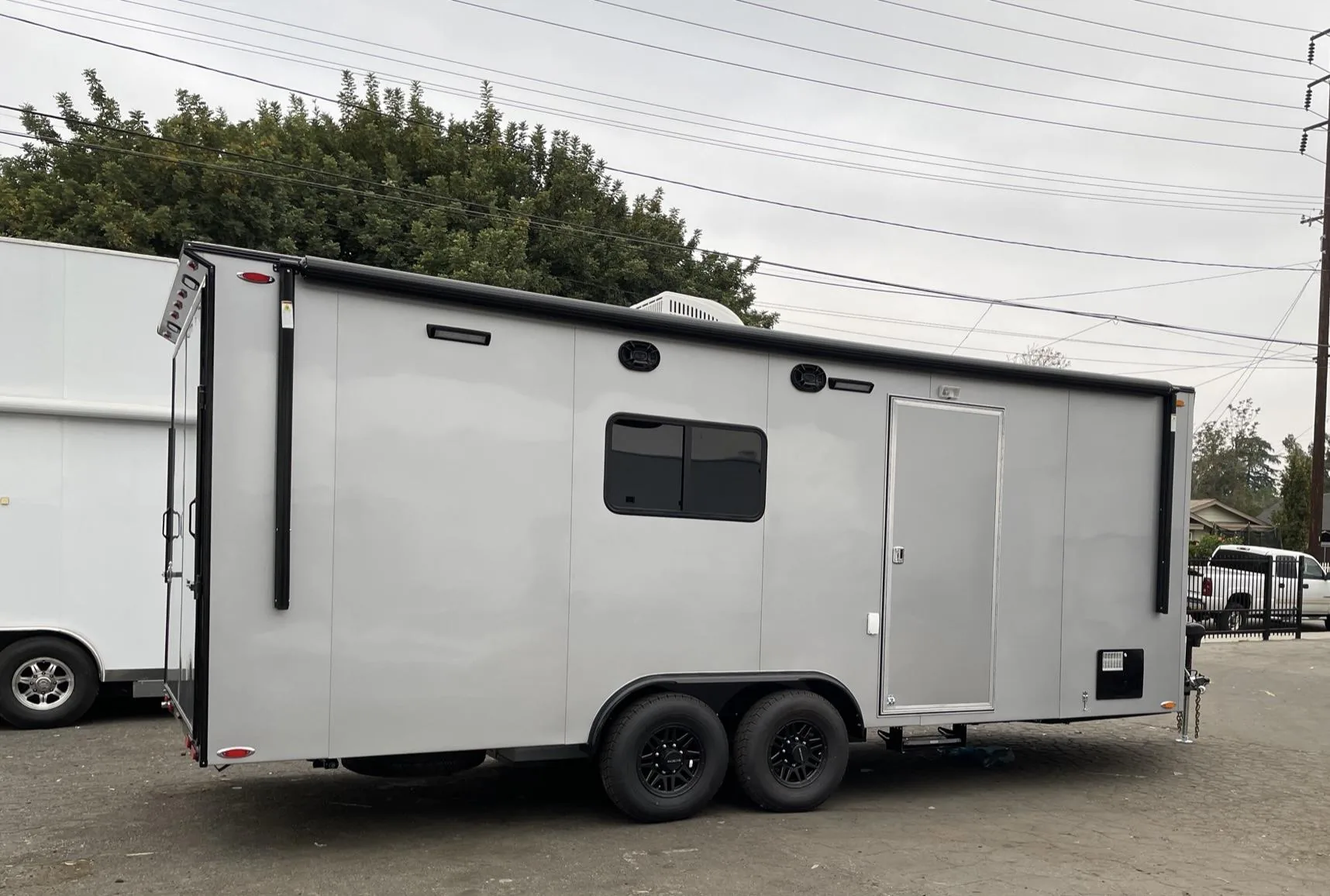
Universal enclosed trailers use tube wall construction and smooth aluminum exterior siding, then add the features that make the trailer useful: doors, ramps, tie-downs, cabinets, work surfaces, lighting, power, plumbing, climate control and specialized equipment. Lightweight and heavy-duty configurations are available depending on the intended load and tow vehicle.
Built around what goes inside.
A cargo trailer, mobile workspace and vehicle hauler place different demands on the floor, axles, access and interior. Universal starts with the intended use, then selects a configuration that supports the load without adding unnecessary weight.
- Lightweight configurations for equipment such as motorcycles, quads and sand cars
- Heavy-duty floor and axle configurations for automobiles, tools and equipment
- Pitched roof construction for water runoff
- Smooth aluminum exterior for straightforward care
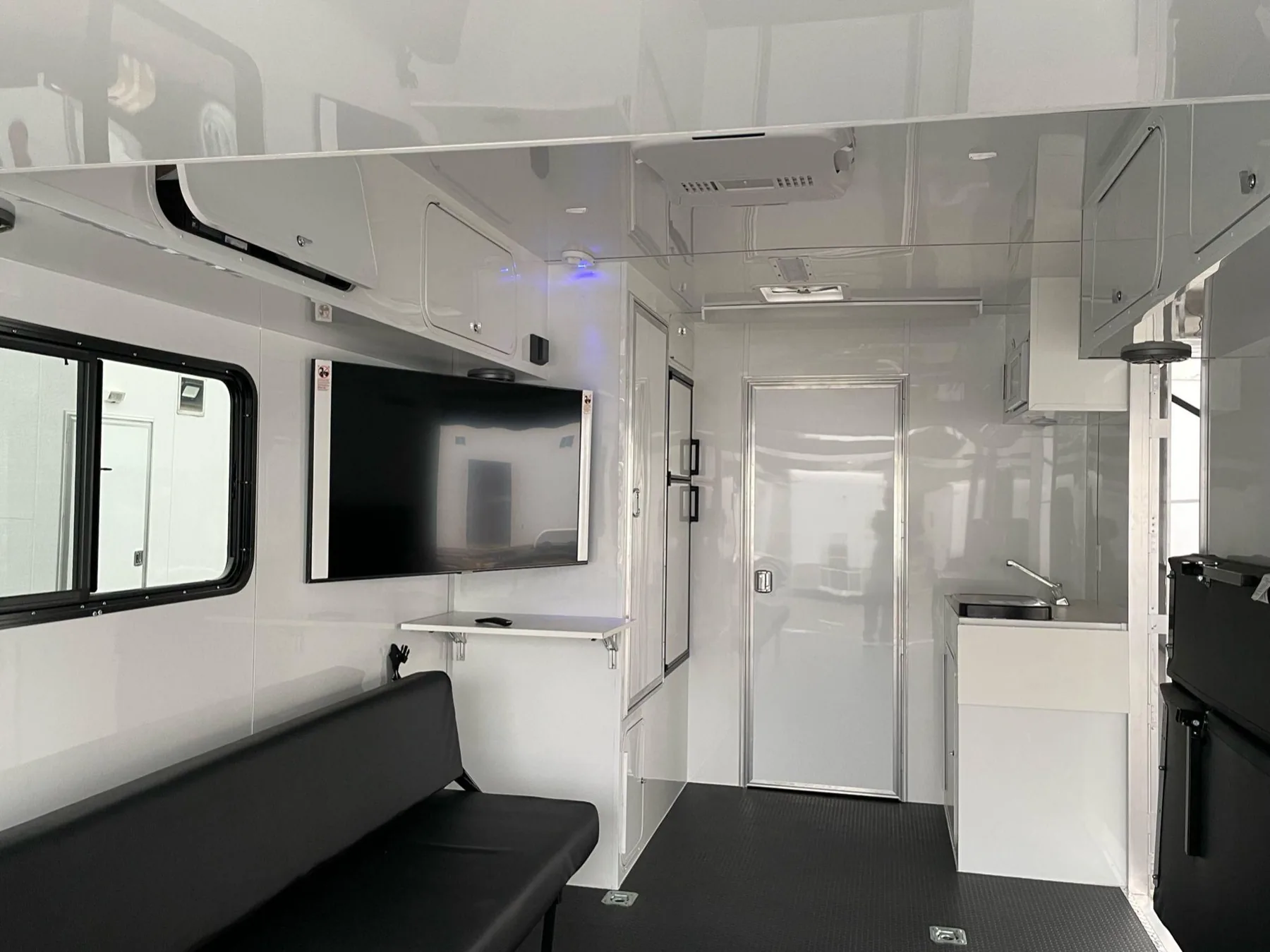
Access, systems and storage belong in the first conversation.
Where a door opens, how equipment is secured and where people need to stand all affect the finished layout. Planning these relationships early creates a trailer that is easier to load, safer to use and less likely to need compromises later.
- Side and rear entry options
- Ramp and cargo door configurations
- Tie-downs and steel tie rails
- Electrical, lighting and climate systems
- Cabinets, counters and workbenches
Established enclosed trailer configurations.
These measurements are preserved from the previous Universal site. Final dimensions and ratings must be confirmed for the actual project.
Enclosed trailer length reference
| Model | Interior floor | Body | Tongue | Overall | GVW options | Axles |
|---|---|---|---|---|---|---|
| 14 | 13′ 10″ | 14′ | 54″ | 18′ 5″ | 7,000 / 10,400 lb | 2 |
| 16 | 15′ 10″ | 16′ | 54″ | 20′ 5″ | 7,000 / 10,400 lb | 2 |
| 18 | 17′ 10″ | 18′ | 54″ | 22′ 5″ | 7,000 / 10,400 lb | 2 |
| 20 | 19′ 10″ | 20′ | 54″ | 24′ 5″ | 7,000 / 10,400 lb | 2 |
| 22 | 21′ 10″ | 22′ | 54″ | 26′ 5″ | 7,000 / 10,400 lb | 2 |
| 24 | 23′ 10″ | 24′ | 54″ | 28′ 5″ | 7,000 / 10,400 lb | 2 |
| 26 | 25′ 10″ | 26′ | 54″ | 30′ 5″ | 7,000 / 10,400 lb | 2 |
| 28 | 27′ 10″ | 28′ | 54″ | 32′ 5″ | 7,000 / 10,400 lb | 2 |
| 30 | 29′ 10″ | 30′ | 54″ | 34′ 5″ | 7,000 / 10,400 lb | 2 |
Body width reference
| Model suffix | Body width | Rear door ID | Interior fender ID | Total outside width |
|---|---|---|---|---|
| -70 | 7′ | 80″ | 70″ | 88″ |
| -80 | 8′ | 90″ | 80″ | 98″ |
| -85 | 8.5′ | 96″ | 86″ | 104″ |
What buyers ask before the build.
Can an enclosed trailer be configured as a workspace?
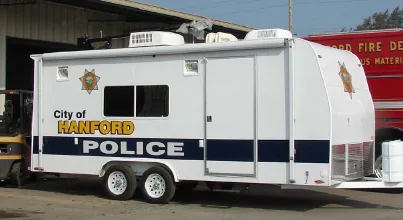
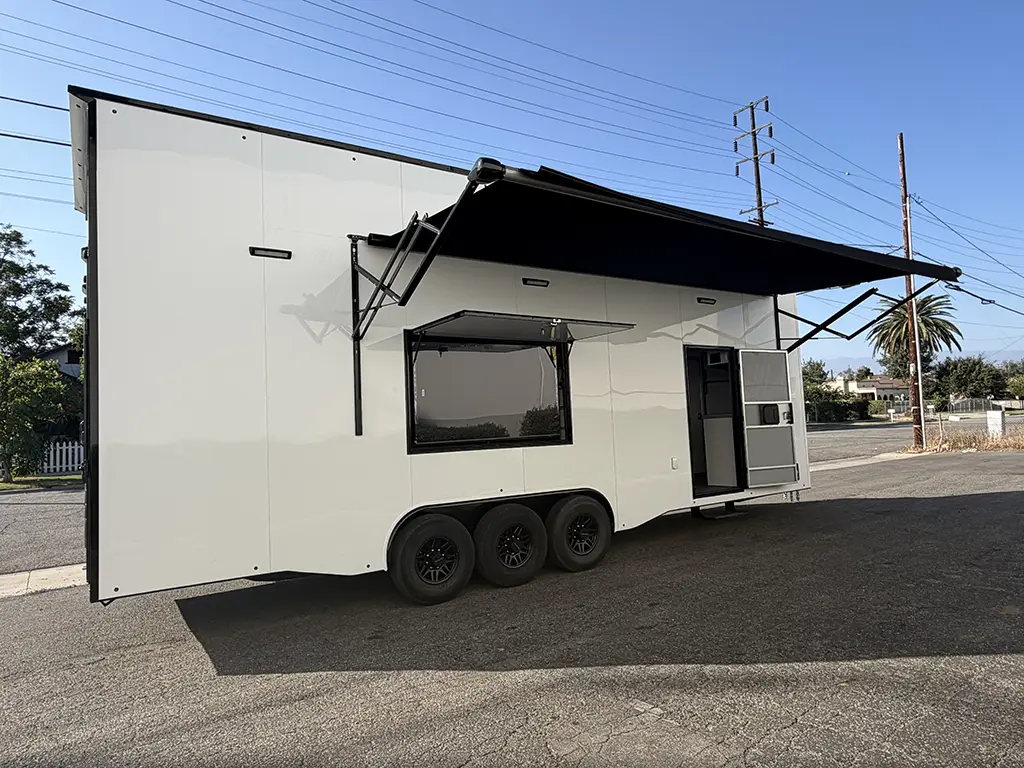
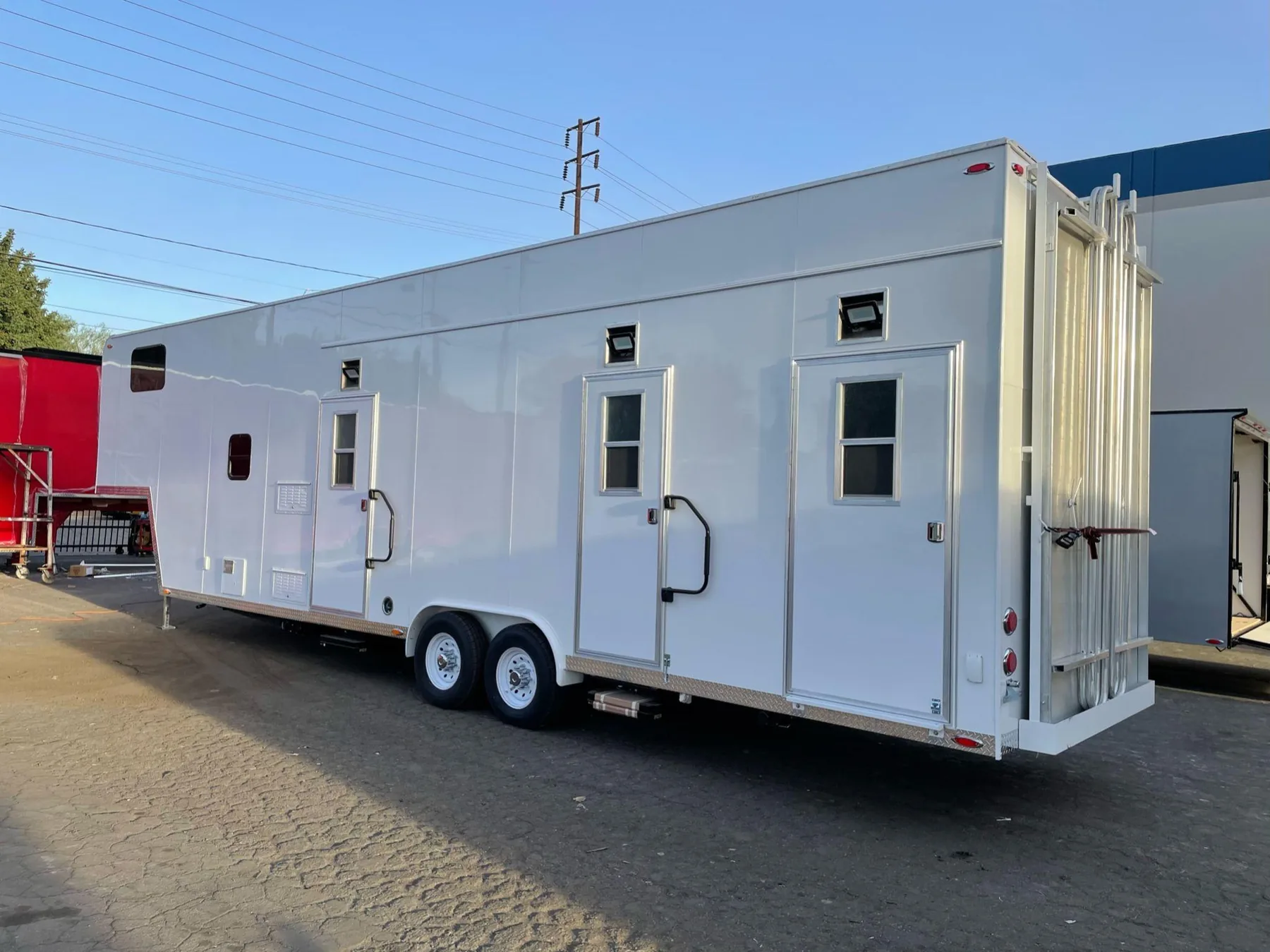
Yes. The existing Universal portfolio shows enclosed trailers configured with counters, cabinets, power, lighting, plumbing, climate control and specialized equipment. The right systems depend on how the trailer will be used.
How do I choose a lightweight or heavy-duty configuration?
Start with the cargo, equipment and target gross vehicle weight, then account for the tow vehicle. Universal can help review those requirements before a configuration is finalized.
Are taller interior heights available?
Yes. The standard interior height shown in Universal's current specifications is 6 feet 6 inches, with taller-height options available.